

What Algal Blooms Taught Us About Real-Time Data
 Petr Červenka
On this page 5 sections
The short version
- South Australian BeachSafe registrations went from an average of 19 a month to 1,276 in October 2025, the month the algal bloom feature shipped and the blooms arrived.
- Across 52 monitored SA beaches the platform processed over 7,000 bloom reports that season, around 1,000 automated reports a day at peak. Monitored beaches drew roughly 60 followers each against fewer than 2 for unmonitored ones.
- The stated lesson is that specificity drives engagement: SA's targeted notifications had a 14 per cent churn rate against 83 per cent in NSW, where the alerts were more generic.
- The feature shipped weeks before the season, and only because BeachSafe already existed as a maintained platform with the users, the notification infrastructure and the government data agreements in place. A standalone bloom app would have missed the event.
- Every figure here is internal platform analytics rather than independently sourced.
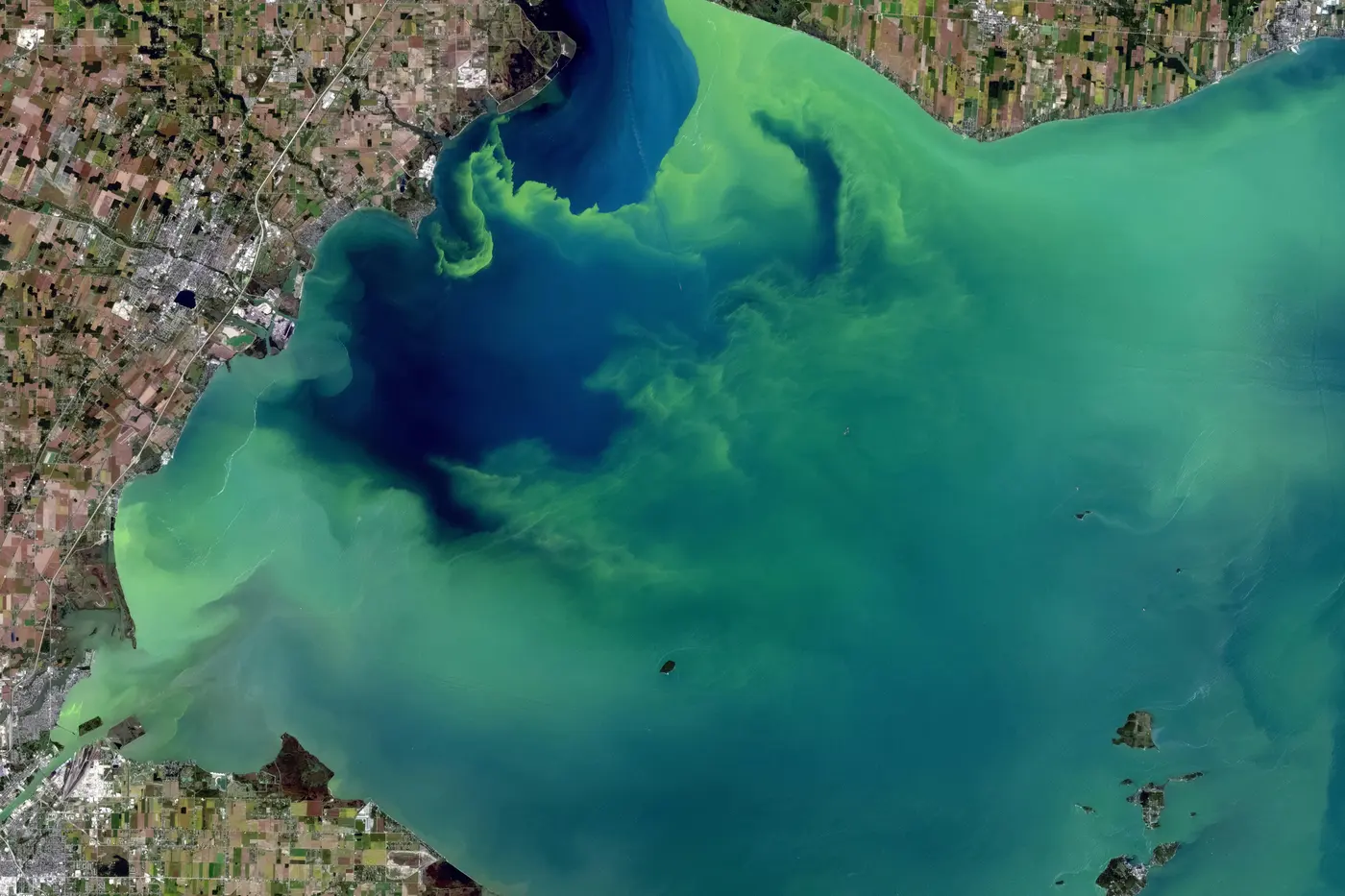
Last October, something turned Adelaide's beaches green. Algal blooms — dense concentrations of cyanobacteria — appeared along the South Australian coast, closing beaches and relocating lifeguard patrols. For beachgoers, the question was simple: is my beach safe today?
That question landed on a platform we built. SLSA BeachSafe — the national beach safety platform we have designed, built and operated for Surf Life Saving Australia since 2015 — had just shipped an algal bloom monitoring feature weeks before the season hit. What happened next taught us more about real-time data platforms than a decade of conference talks ever could.
What actually happened
Algal blooms are not new to South Australia. Warm water, nutrients and the right conditions can produce cyanobacteria outbreaks that make beaches unsafe for swimming. The South Australian Government monitors water quality through its algal bloom reporting programme, but getting that information to the people standing on the sand — in real time, on the device in their pocket — is a different problem entirely.
When the blooms arrived in October 2025, lifeguard patrols had to relocate. Brighton patrol moved to Seacliff. Henley Beach patrols consolidated at Glenelg. Beachgoers needed to know which beaches were affected, where lifeguards had moved to, and whether conditions had changed since yesterday.
This is the kind of problem where a well-connected platform earns its keep.
How BeachSafe responded
BeachSafe already sat on top of one of the largest civilian environmental data pipelines in Australia — live feeds from the Bureau of Meteorology, SLSA's operational systems, the Australian Ocean Data Network, and state government agencies. The algal bloom feature added a new layer: automated monitoring across 52 South Australian beaches, integrated with the SA Government's water quality data.
When a bloom was detected, the system did several things at once:
- Pushed real-time alerts to users following affected beaches via push notifications
- Displayed targeted announcements on the BeachSafe homepage, filtered by state so only South Australian users saw SA-specific warnings
- Updated individual beach pages with current bloom status and links to the government's official algal bloom site
- Notified SOC operators who could post patrol relocation messages — telling beachgoers exactly where lifeguards had moved and what hours they were on duty
The announcement system was purpose-built for this kind of scenario. SOC operators could create a message like "Due to algal bloom conditions, Brighton patrol has temporarily relocated to Seacliff Beach. Lifeguards on duty 12:00 PM to 6:00 PM" — and it would reach users within five minutes, geo-targeted to the right state.
The numbers told the story
The impact was immediate and measurable.
Before the algal bloom feature launched, South Australia averaged 19 new BeachSafe registrations per month. In October 2025 — the month the feature went live and the blooms arrived — registrations jumped to 1,276. That is not a typo. A 67x increase in a single month.
By the end of the season, the platform had processed over 7,000 algal bloom reports across those 52 monitored beaches. Around 1,000 automated reports flowed through the system every day during peak periods. SA beaches with algal bloom monitoring attracted 35 times more followers than beaches without it — 60 followers per beach versus fewer than 2.
The SA Government's algal bloom website drove significant traffic to BeachSafe, and BeachSafe drove informed beachgoers back to the government's official reporting. It became a feedback loop: government data made the platform more useful, and platform engagement made the government's safety messaging more effective.
Adelaide — Australia's fifth-largest city — became the third-highest city for BeachSafe engagement nationally, and the highest per capita. The data was specific, actionable, and relevant to people's daily decisions. That combination drives adoption in a way that generic safety messaging never does.
What this teaches about building platforms
We have been building and operating BeachSafe for over a decade. The algal bloom response reinforced several things we already believed — and taught us a few new ones.
Specific beats generic
The single biggest lesson: people engage with data that is specific to their situation. Generic beach safety tips get glanced at. A push notification saying "Brighton Beach has an algal bloom alert — patrol has moved to Seacliff" gets acted on. SA's push notifications had a 14% churn rate versus 83% in NSW, where notifications were more generic. Specificity is the difference between a useful alert and noise.
Government partnerships compound
Every government data integration is hard. Years of partnership work, data-sharing agreements and operational tuning sit behind every feed. But each new integration makes the platform more valuable, which attracts more users, which makes the next partnership easier to justify. The SA Government algal bloom feed was possible because a decade of BOM, SLSA and AODN integrations had already proven the model. If you are building a platform that depends on institutional data, start the partnerships early — they take longer than the engineering.
Platforms beat projects
A one-off algal bloom app would have taken months to build and would have served one purpose. Because BeachSafe already existed as a continuously maintained platform, the algal bloom feature was an addition — not a new build. The user base was already there. The notification infrastructure was already there. The government relationships were already there. This is the compounding advantage of investing in platforms rather than point solutions, and it is why app development done right pays dividends for years.
Design for the operator, not just the user
The SOC operators who manage BeachSafe are not developers. They need to post a patrol relocation message in 30 seconds, not wrestle with a CMS. The announcement system was designed with their workflow in mind — three fields, a state selector, save. That simplicity meant that when the blooms hit, operators could respond immediately without waiting for a developer to push an update. The best real-time system is one where the people closest to the situation can act without a bottleneck.
Building systems that respond when it matters
The algal bloom season was a stress test we did not plan. It validated that a platform built on real-time government data, maintained over years, and designed for operational simplicity can respond to a public safety event faster than any new build could.
If your organisation deals with real-time data — safety alerts, environmental monitoring, logistics, compliance — the lesson is the same. Build the platform. Integrate the data sources. Design for the operators. And maintain it, because the crisis that tests your system will not send a calendar invite.
We are a small software firm in Fremantle that has been building platforms like this for over a decade. If you have a data problem that needs a real-time solution, get in touch. We will buy the coffee.
Photo credits. Hero image used under the Unsplash License; satellite image used under the Unsplash License — free for commercial use, attribution appreciated:
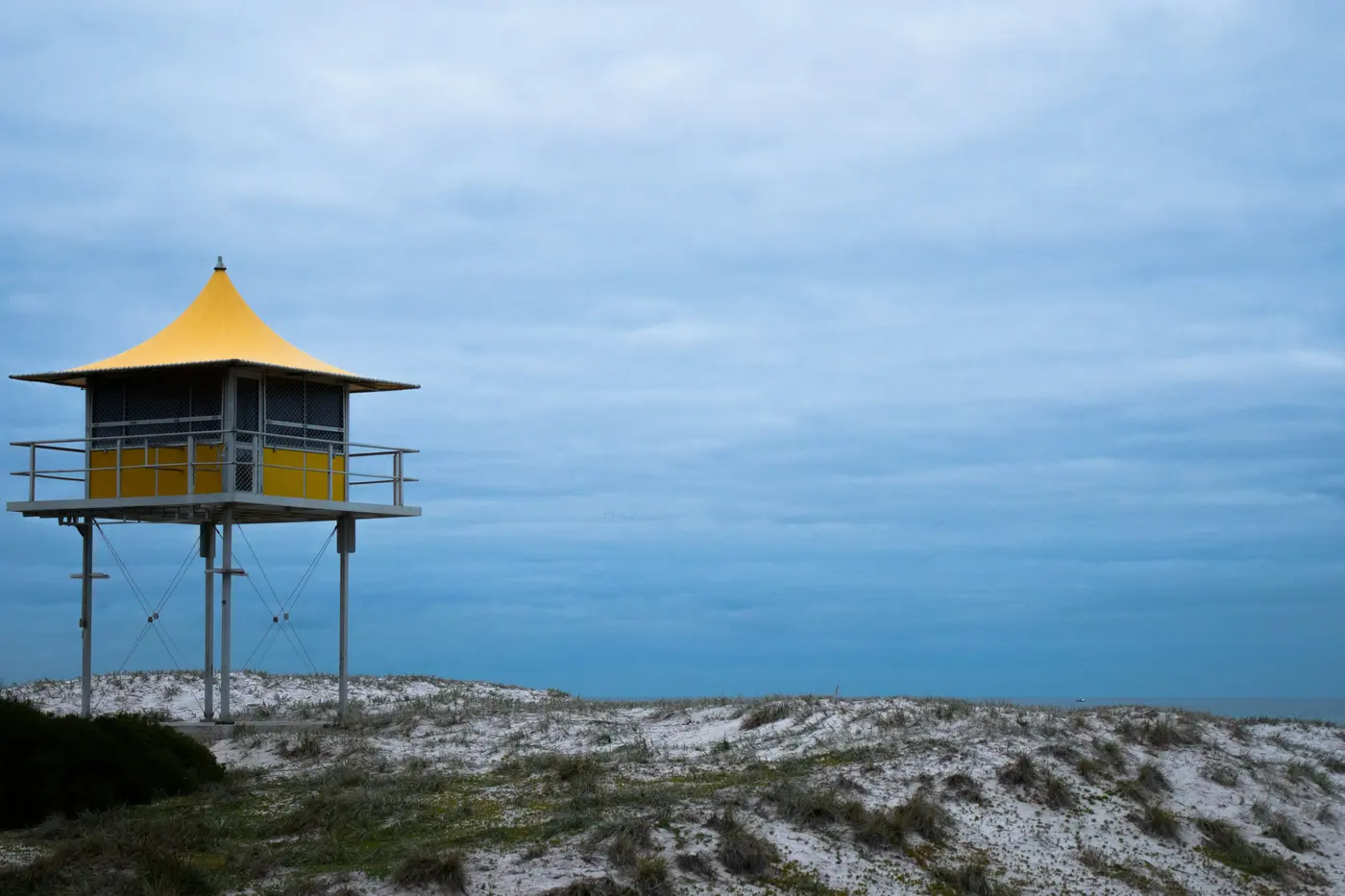
- Adelaide lifeguard house — Alex Duffy
- Algal bloom satellite view — USGS
Was this useful?
Thanks — noted.
Share
Petr Červenka
Petr is the founder and lead developer at Nano Solutions, a Perth-based custom software firm. With over a decade of experience building enterprise platforms for government and private sector clients, he leads delivery of complex projects across Australia.
Connect on LinkedIn