

Is Your Business Running on Software That Was Never Built for It?
 Sarah Beltran
On this page 5 sections
The short version
- The mismatches are named by sector: berth windows and chain of custody forced into a generic project tool, construction handover run through shared drives and email, field job cards that have to work on a phone at 5:30am, and health intake that must sit alongside existing practice management software rather than replace it.
- The cost is not a one-off. It is hours a week of manual reconciliation and re-keying between systems that will not talk to each other, every week.
- Three builds are offered as the counter-example: BeachSafe across 12,000+ beaches, Procom for construction O&M handover, and Co-Connect for remote mining teams on intermittent connectivity.
- WA Government agencies can engage Nano under the CUAICTS2021 panel (Contractor #225) without an open tender. The tax section is written to a June 2026 deadline that has now passed, so check current ATO rules.
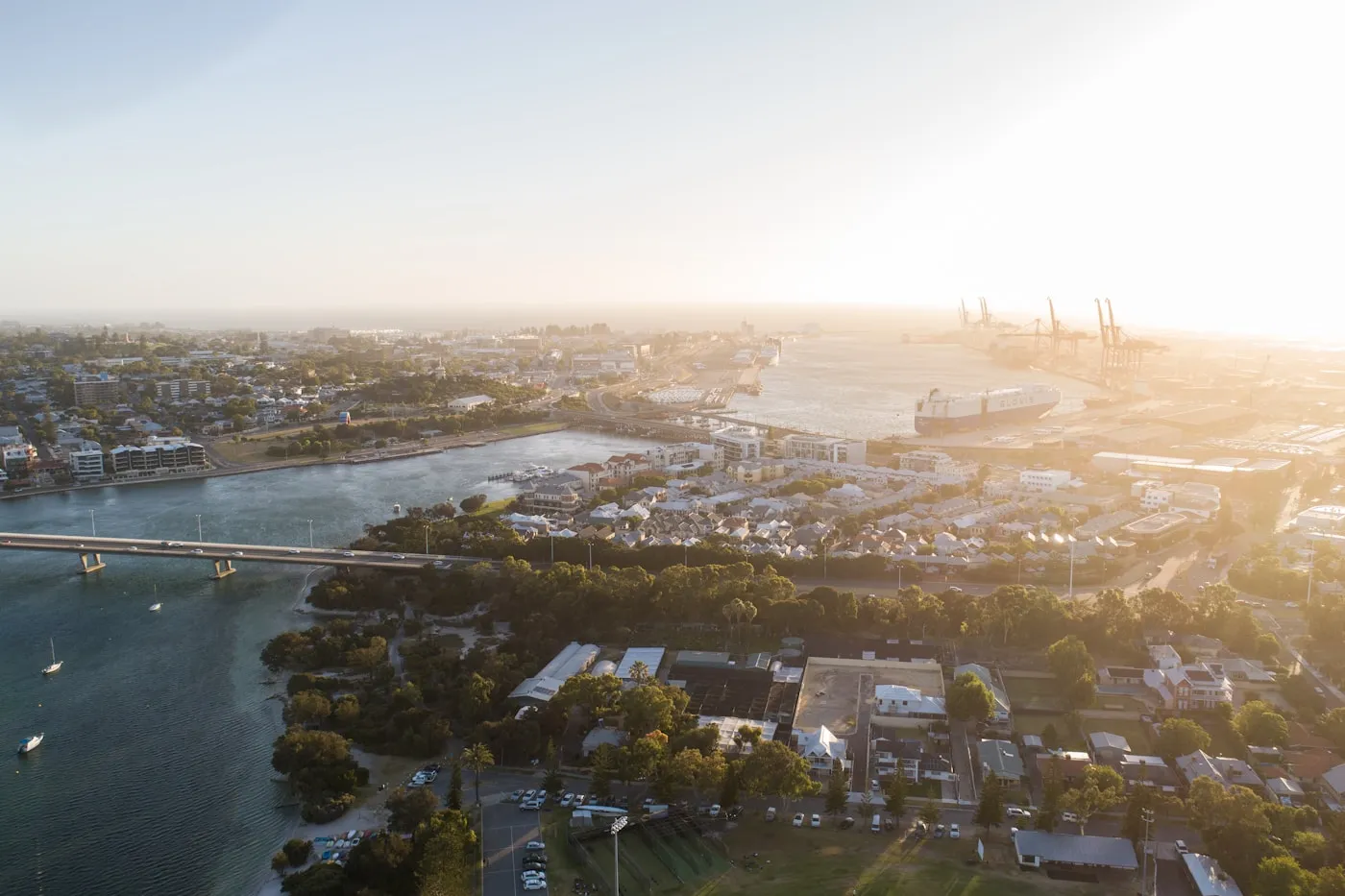
Fremantle is a serious business town wearing a casual shirt.
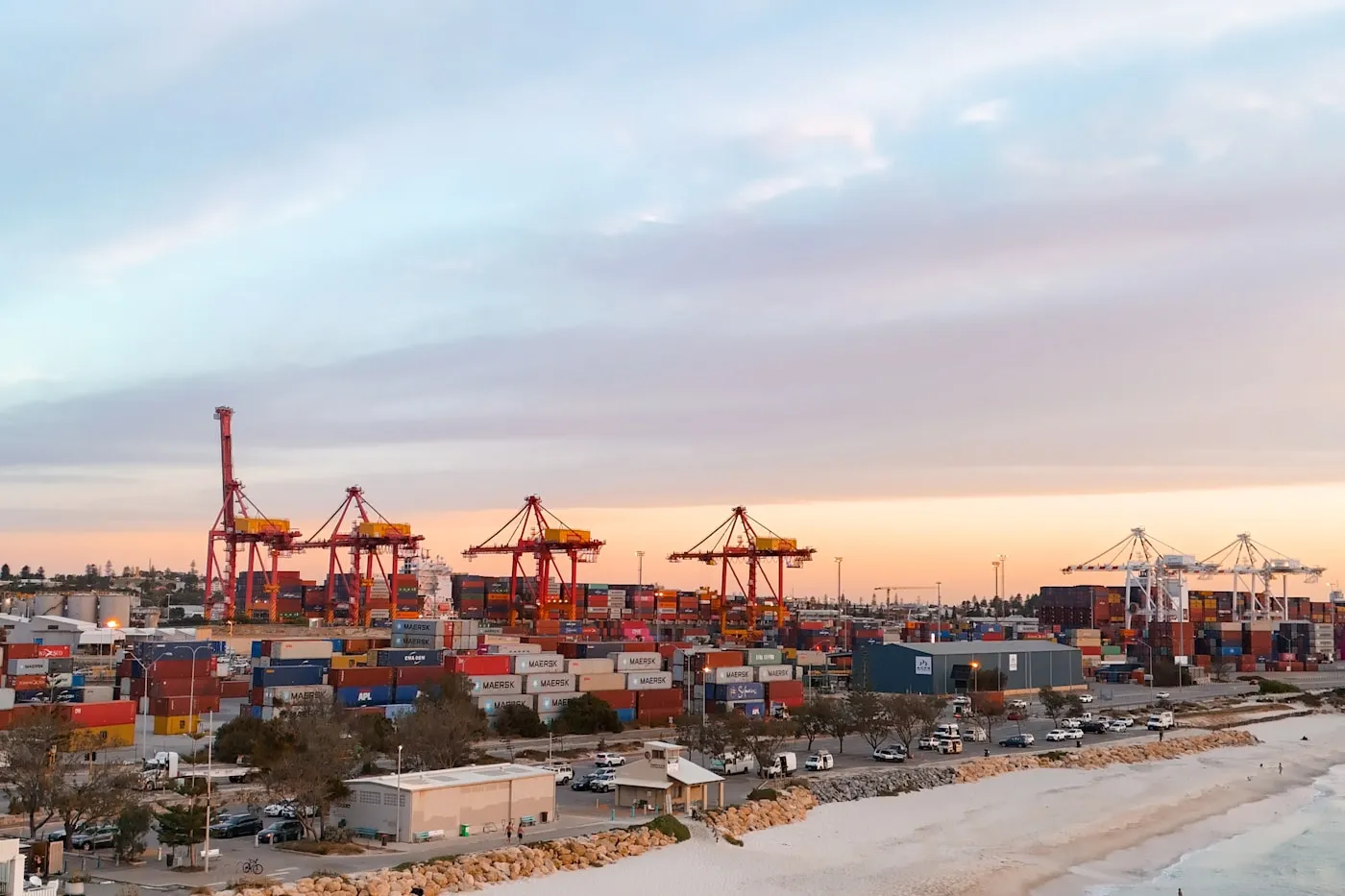
Behind the cafes and the weekend markets, the port processes container vessels arriving from three continents. Cold-chain logistics operators are tracking refrigerated cargo through to distribution. Mining companies are managing FIFO rosters for sites eight hours' drive north. Construction firms are compiling handover documentation for multi-million-dollar builds. Health clinics are coordinating patient intake, referrals, and appointments across multiple practitioners. And somewhere in the middle of all of it, somebody is fighting with a spreadsheet that was never supposed to become a production system.
We are Nano Solutions. We have been building custom software for WA organisations from our office in Fremantle for over a decade. And the pattern we see across almost every sector, from the waterfront to the trades to professional services, is the same: businesses are running on tools that were built for someone else's problems.
This is an honest look at what that costs, and what a better fit actually looks like.
The gap between your software and your business
Off-the-shelf software is built for the average customer. The product teams who design it are imagining a business with standard workflows, standard team structures, and problems that are common enough to appear in a market research report.
Fremantle businesses are not average. They are operating in one of the world's most geographically isolated cities, in sectors that have specific compliance, logistics, and operational requirements that a SaaS vendor in San Francisco or London is unlikely to have anticipated.
Consider what this looks like in practice across the Fremantle business community:
A port or logistics operator needs scheduling, cargo tracking, and compliance reporting that integrates with customs systems, freight APIs, and vessel scheduling in real time. Generic project management tools were not designed for berth windows and chain-of-custody requirements.
A construction or property development firm needs document control, defect tracking, and client reporting that follows the lifecycle of a build, from site inspection to digital handover. Shared drives and email chains are not a system. They are a liability.
A field services or workforce business (cleaning, grounds maintenance, site services) needs rostering, job cards, and compliance documentation that works on a mobile phone in a car park at 5:30am. It needs to integrate with invoicing and client reporting. Most off-the-shelf options do some of this. None of them do all of it without painful workarounds.
A health practice needs patient intake, referral management, and outcome tracking under Australian Privacy Principles, with role-based access and encrypted data handling. It also needs to talk to the practice management software that is already in use, not replace it.
The gap between what generic software provides and what each of these businesses actually needs is not a minor inconvenience. It is hours per week spent on manual reconciliation, workarounds, and re-keying data between systems. Over a year, that is a substantial operational cost, and it compounds.
What we have built, and what it shows
We do not sell software. We build it, specifically, for the organisation in front of us.
Here are three examples of what that has meant in practice, for problems that will be familiar to many businesses in this part of the world.
BeachSafe, built for Surf Life Saving Australia, is a national platform serving over 12,000 beaches, millions of beachgoers, and thousands of volunteer lifeguards. It integrates government weather and conditions data, delivers real-time safety alerts, and handles beach reporting at national scale. It has been running for over a decade. No off-the-shelf product could have come close. This is what it looks like when an app is built around the organisation rather than the other way around.
Procom solved a problem that every construction firm in this city will recognise: the O&M manual. Compiling handover documentation (the package that gets handed to a building owner at practical completion) was happening through email chains, shared drives, and manual checklists. Delays. Errors. Rework. We built a platform that centralises the entire workflow: template setup, progressive submission by subcontractors, approval tracking, and automated PDF generation. The process that used to be chased across inboxes became a structured, auditable system. That is software modernisation that pays for itself quickly.
Co-Connect was built for remote mining and resources teams: the people working hundreds of kilometres from the nearest city, with intermittent connectivity and a phone as their primary device. It brought communication, safety check-ins, and employee engagement into a single app, purpose-built for field conditions. It is the kind of tool that only exists because someone sat down with the people actually doing the work and asked what they needed.
Three organisations. Three completely different problems. One consistent approach: start with the real process, not the ideal one.
Where generic software falls short, and purpose-built tools deliver
Based on our work across the region, these are the areas where the gap between generic software and operational reality is widest, and where purpose-built tools deliver the clearest return.
Port, maritime and logistics. Scheduling, cargo tracking, compliance reporting, and chain-of-custody platforms that integrate with the systems operators are already using. Fremantle is a serious port city. Its software infrastructure should match.
Construction and property development. Site inspection apps, document control platforms, digital handover systems, and client portals. The construction sector is rich with manual processes that are waiting to be replaced with something better.
Workforce and field services. Rostering, mobile job cards, contractor onboarding, and client reporting dashboards. If your staff are in the field, their tools need to work in the field, and feed back into your office systems without re-keying.
Health and allied health. Patient intake, secure client portals, referral management, and outcome tracking, all under Australian Privacy Principles, all integrated with existing practice management software rather than replacing it.
Tourism and visitor operations. Booking and capacity management, operational tools for seasonal staff, and visitor safety systems for high-volume environments. The Rottnest Island corridor alone represents a significant operational challenge that generic ticketing software handles poorly.
Government and public sector. We are a WA Government CUA panel supplier (Contractor #225), which means agencies can engage us directly without going to open tender. Resident self-service portals, workflow automation, grant management platforms, and community engagement tools: these are all within scope, and we have delivered them.
A note on the end of financial year
With EOFY four weeks away, it is worth being direct about the timing.
The instant asset write-off allows eligible businesses to immediately deduct the cost of qualifying assets in the year they are first used or installed ready for use. The R&D Tax Incentive provides a refundable offset of up to 43.5% for companies with annual turnover under $20 million, and custom software development is one of the most common qualifying activities.
This does not mean you should rush a project to meet a deadline. Bad software built fast costs more than good software built at the right pace. But beginning a discovery engagement before June 30, mapping your process, defining the problem, scoping the solution, is a smart use of the next few weeks. The build can start in July, properly planned and properly funded.
We are based in Fremantle
We are a small firm. We work with a focused number of clients at any one time, which means the people you meet at the start of a project are the people who build and deliver it. There is no handoff to an offshore team after the sales process. There is no account manager relaying messages to developers you never speak to.

If you are a Fremantle business thinking about a software project, or wondering whether the patchwork of tools you are currently using could be replaced with something better, we would genuinely welcome the conversation.
The Hidden Cost Report
What is your software really costing you?
Answer five quick questions and see what your manual processes are costing — this year and over the next three. It's free, and so is the one-hour discovery session that comes with it.
Fremantle Chamber of Commerce members get 10% off their first engagement.
Or just get in touch. We are easy to find, and we will buy the coffee.
Nano Solutions is a Fremantle-based software firm and WA Government CUA panel supplier (Contractor #225). We build custom software, mobile apps, systems integrations, and cloud and security solutions for WA organisations.
Photo credits. All images used under the Unsplash License — free for commercial use, attribution appreciated:
- Aerial view over Fremantle and the harbour at sunset — Nathan Hurst
- Container cranes at Fremantle Port from Port Beach — Corey Serravite
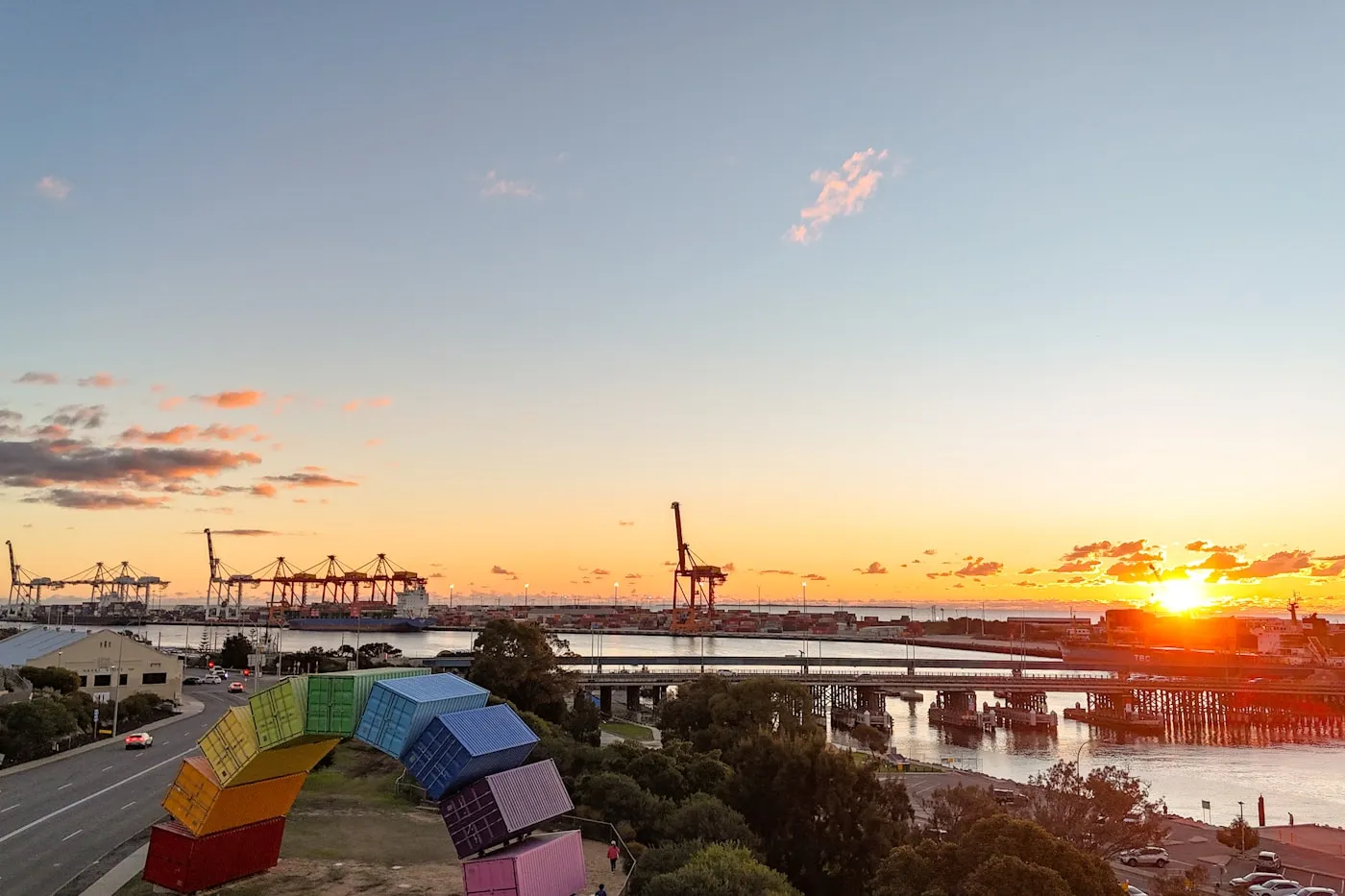
- The Fremantle Rainbow container sculpture at sunset — Corey Serravite
- Fremantle streetscape — Samuel T
Was this useful?
Thanks — noted.
Share
Sarah Beltran
