

Enterprise Integration Perth
Discover
Map goals, users, constraints, existing systems, and the business case before scope locks in.
Design
Shape the architecture, delivery plan, risk register, and success measures around your operating reality.
Build
Ship focused increments with working demos, testing, accessibility checks, and security review.
Support
Monitor, maintain, document, and improve the platform so your team can rely on it long term.
Nano Solutions connects enterprise systems for Perth businesses — ERPs, CRMs, accounting platforms, legacy databases, and cloud services into unified workflows that eliminate manual data entry and give your team a single source of truth. We build the integration layer between the systems you already have, so data flows automatically and reliably. Established 2013, WA Government CUAICTS2021 panel supplier.
The Enterprise Integration Problem
Most Perth businesses of any size run five to fifteen software systems that do not talk to each other. Salesforce for sales, Xero for accounting, SharePoint for documents, a custom portal for operations, a legacy database for historical records. Staff bridge the gaps with manual exports, CSV imports, email forwards, and spreadsheets — introducing delays, errors, and work that adds no value.
Enterprise integration replaces those manual bridges with automated, reliable data flows. When a deal closes in Salesforce, an invoice appears in Xero. When a timesheet is approved, payroll calculates automatically. When a sensor reading exceeds a threshold, an alert fires in your operations dashboard. The humans do the thinking; the integration does the data movement.
Integration Patterns We Build
- ERP ↔ CRM sync: Bidirectional data flow between Salesforce, HubSpot, or custom CRM and NetSuite, SAP, MYOB, or Xero. Contact records, deal stages, invoices, and payment status stay synchronised without manual data entry.
- Accounting automation: Xero, MYOB, and NetSuite integrations that automate invoice creation, payment reconciliation, payroll sync, and financial reporting. See our dedicated Xero API Integration page.
- Legacy system modernisation: Wrapping legacy databases (SQL Server, Oracle, MS Access) with modern REST APIs so new applications can read and write data without touching the legacy schema directly.
- Identity federation: Microsoft Entra (Azure AD), Okta, and Auth0 integration for single sign-on (SSO) across your application portfolio. Users authenticate once; access policies apply everywhere.
- Event-driven integration: Webhooks, message queues (SQS, RabbitMQ), and event buses for real-time data flow between systems. New order → warehouse notification → shipping label → tracking update → customer email, all automated.
- Government system integration: WA Government APIs, data exchange standards, and ISM-aligned integration patterns for state agencies and CUAICTS2021 panel engagements.
Perth Industries We Integrate
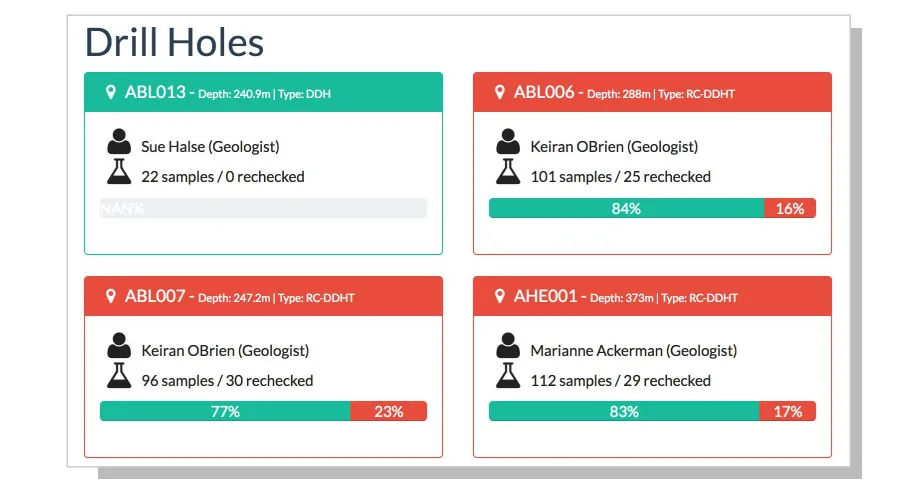
- Mining & Resources: Real-time data from remote-site sensors, QA/QC platforms, and field-data collection apps flowing into centralised dashboards and compliance reporting systems. Designed for intermittent connectivity.
- Government: Connecting departmental systems, citizen-facing portals, and inter-agency data exchange under ISM and Essential Eight requirements.
- Construction: Project management, document workflows, subcontractor invoicing, and progress claims integrated with accounting and compliance platforms.
- Professional Services: Recruitment portals, timesheet systems, and workforce management tools integrated with payroll and billing platforms.
- Healthcare: HL7 and FHIR integration for clinical systems, patient data synchronisation under Australian Privacy Principles, and My Health Records compliance.
Our Integration Approach
- System mapping (1 week): We document every system, data flow, manual process, and integration point. Output: a data flow diagram and integration specification.
- API design: We define the API contracts (OpenAPI 3.x) and data transformation rules. You review before we write code.
- Build (4–12 weeks): Integration layer built in Laravel with queued jobs, retry logic, and dead-letter handling for reliability. Every integration endpoint gets automated tests.
- Testing: End-to-end testing with real data from your sandbox environments. We verify data accuracy, error handling, and performance under load.
- Go-live and monitoring: Deployment with alerting on sync failures, data mismatches, and API errors. The first week is closely monitored.
Typical Investment
Enterprise integration projects typically range from $20,000–$50,000 for connecting two or three systems, $50,000–$120,000 for multi-system integration with complex data transformation, and $120,000+ for enterprise-wide integration platforms with real-time sync, compliance requirements, and ongoing monitoring.
Book a free discovery call to discuss your integration requirements.
Frequently Asked Questions
What systems can you integrate?
ERPs (NetSuite, SAP, MYOB), CRMs (Salesforce, HubSpot), accounting platforms (Xero, MYOB), identity providers (Microsoft Entra, Okta), payment gateways (Stripe, eWAY), government systems, legacy databases (SQL Server, Oracle, MS Access), and custom internal applications. If it has an API or a database, we can connect it.
How long does enterprise integration take?
Connecting two or three systems with straightforward data flows: 4–8 weeks. Multi-system integration with complex data transformation and real-time sync: 8–16 weeks. Enterprise-wide integration platforms: 16–24 weeks. Every project starts with a 1-week system mapping phase.
How much does enterprise integration cost in Perth?
$20,000–$50,000 for connecting two or three systems. $50,000–$120,000 for multi-system integration with complex transformation. $120,000+ for enterprise-wide platforms with real-time sync and ongoing monitoring.
Can you integrate legacy systems that don't have APIs?
Yes. We wrap legacy databases with modern REST APIs so new applications can read and write data without touching the legacy schema directly. This is one of our most common integration patterns — connecting a 15-year-old SQL Server database to a modern web application without migrating the legacy data.
Have a question that's not listed here? We're happy to help.
Ask Us AnythingRelated Projects
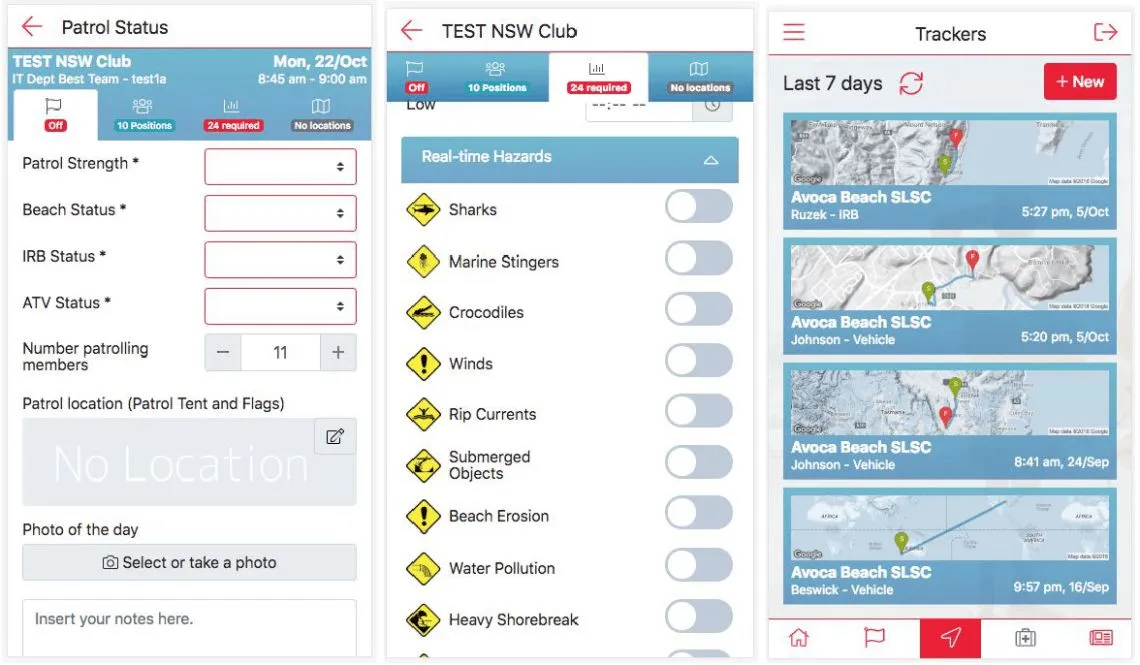
"Nano Solutions delivered a complex, user-friendly application that exceeded our expectations. Their team was responsive, knowledgeable, and a pleasure to work with throughout the project."
— Shane Daw, CTO, Surf Life Saving Australia
Last reviewed: June 2026
Ready to Get Started?
Book a free discovery call to discuss your project. No obligation, no jargon — just a conversation about what you need.